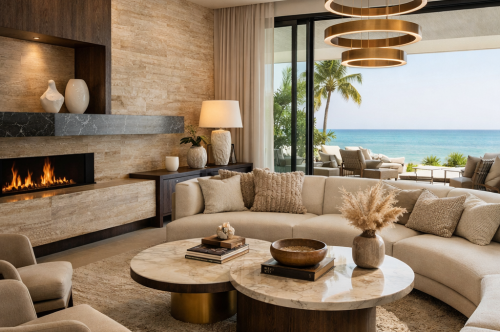
How to Buy Property in Mauritius as a Foreigner

Introduction
Mauritius has become one of the most attractive real estate destinations in the Indian Ocean for foreign buyers, investors, retirees, entrepreneurs, and high-net-worth families seeking lifestyle, security, tax efficiency, and long-term capital preservation.
However, buying property in Mauritius as a foreigner requires more than selecting a beautiful villa or apartment. The acquisition must follow approved legal frameworks, the property must be eligible for non-citizen ownership, and the buyer should clearly understand the investment structure, transaction costs, residence permit implications, and long-term value potential.
At Capinvest® / Capinvestlux.com, we guide international clients through this process with clarity, discretion, and strategic insight — helping them identify investment-grade opportunities across Mauritius, Dubai, and selected international markets.
Why Mauritius Attracts Foreign Property Buyers
Mauritius offers a rare combination of political stability, international connectivity, lifestyle appeal, and investor-friendly regulation. For many foreign buyers, the island is not only a holiday destination — it is a serious base for wealth structuring, relocation, retirement, business expansion, and family security.
The country is especially attractive because of:
-
A stable democratic environment
-
A clear legal framework for foreign property ownership
-
No capital gains tax in Mauritius
-
No inheritance tax in Mauritius
-
Attractive personal and corporate tax environment
-
High quality of life
-
International schools and private healthcare
-
Strong demand for coastal and lifestyle real estate
-
Residence permit opportunities through qualifying property investment
For foreign investors, Mauritius offers something increasingly rare: a lifestyle destination with a structured investment framework and long-term international appeal.
Can Foreigners Buy Property in Mauritius?
Yes, foreigners can buy property in Mauritius, but not every property is automatically available to non-citizens.
Foreign buyers generally need to purchase under approved schemes or specific legal frameworks authorised by the relevant Mauritian authorities. This is why proper verification is essential before signing any agreement or paying a deposit.
The key question is not only:
“Is this property attractive?”
The real question is:
“Is this property legally accessible to a foreign buyer, and under which approved framework?”
At Capinvest®, we help clients understand the difference between lifestyle appeal, legal eligibility, investment quality, and resale potential.
Main Property Schemes Available to Foreign Buyers
1. Property Development Scheme — PDS
The Property Development Scheme, commonly known as PDS, is one of the most important frameworks for foreign property acquisition in Mauritius.
PDS developments are usually designed as integrated residential projects with quality infrastructure, controlled planning, and amenities. They often include luxury villas, apartments, townhouses, or branded residences.
For many foreign investors, PDS is attractive because it combines property ownership with a structured legal environment and, where applicable, residence permit eligibility.
2. Integrated Resort Scheme — IRS
The Integrated Resort Scheme was one of the earlier frameworks allowing foreign buyers to purchase luxury residential property in Mauritius.
IRS projects are often associated with premium resort-style environments, golf estates, beachfront residences, and high-end lifestyle developments.
Although newer projects are more commonly structured under PDS or Smart City frameworks, IRS properties remain important in the luxury resale market.
3. Real Estate Scheme — RES
The Real Estate Scheme was another historical framework that allowed foreign acquisition in smaller approved developments.
Many RES properties still exist on the market today, especially in established coastal and residential zones. These can be attractive for buyers seeking lifestyle homes, rental income, or resale opportunities.
4. Smart City Scheme
The Smart City Scheme supports larger integrated developments combining residential, commercial, business, education, leisure, and lifestyle components.
For investors, Smart City projects can be attractive because they are not limited to standalone property ownership. They are often part of a broader ecosystem designed around long-term urban growth, infrastructure, and economic activity.
5. Ground + 2 Apartments
Foreign buyers may also acquire apartments in qualifying buildings of at least Ground + 2 floors, subject to applicable conditions and approval.
This option can be attractive for buyers seeking lower-entry investment opportunities compared to villas or large residences, especially in high-demand areas such as Grand Baie, Tamarin, Black River, Moka, Ebene, Beau Plan, and selected coastal regions.
Residence Permit Through Property Investment
A foreign buyer may be eligible for a residence permit in Mauritius when acquiring a qualifying residential property under an approved scheme and meeting the applicable minimum investment threshold.
The commonly referenced threshold is USD 375,000 or more for qualifying residential property under approved schemes. However, regulations may evolve, and each buyer should verify the latest requirements before making a decision.
This residence permit can be especially attractive for investors seeking:
-
A secure second residence
-
Long-term relocation flexibility
-
Family lifestyle planning
-
Retirement in Mauritius
-
Business and wealth structuring opportunities
-
A stable base between Africa, Europe, Asia, and the Middle East
At Capinvest®, we always recommend confirming eligibility, documentation, and legal implications before positioning the purchase around residency benefits.
Step-by-Step Guide to Buying Property in Mauritius as a Foreigner
Step 1: Define Your Investment Objective
Before selecting a property, the buyer must understand the real objective behind the acquisition.
Is the purchase for:
-
Lifestyle use?
-
Rental income?
-
Long-term capital growth?
-
Retirement?
-
Family relocation?
-
Residence permit eligibility?
-
Portfolio diversification?
-
Future resale value?
A beachfront villa, a golf estate residence, a Smart City apartment, and an off-plan investment all serve different purposes.
The best property is not always the most beautiful one. It is the one that matches the buyer’s financial, lifestyle, legal, and strategic objectives.
Step 2: Choose the Right Location
Location remains one of the strongest value drivers in Mauritius.
Popular investment zones include:
-
Grand Baie and the North — lifestyle, tourism, restaurants, international demand
-
Tamarin and Black River — premium West Coast living, mountain views, beaches, expatriate lifestyle
-
Moka and Ebene — business, education, smart city growth, central connectivity
-
Bel Ombre and the South-West — golf estates, nature, luxury hospitality, exclusivity
-
Beau Plan and the North — integrated urban lifestyle and smart city development
For investors, the right location should be assessed through more than beauty. It should be reviewed based on access, infrastructure, rental demand, resale liquidity, neighbourhood profile, future development, and scarcity.
Step 3: Verify Foreign Buyer Eligibility
Before making an offer, the buyer must confirm whether the property is legally accessible to non-citizens.
This includes checking:
-
The scheme under which the property is approved
-
Whether the project has the required authorisations
-
Whether the developer or seller is properly structured
-
Whether the property qualifies for residence permit benefits
-
Whether there are restrictions attached to ownership or resale
-
Whether approval from the relevant authorities is required
This is one of the most important stages of the purchase process. A property may be attractive, but if it is not correctly structured for foreign ownership, it can create serious delays or complications.
Step 4: Review the Developer, Seller, or Asset Quality
Foreign buyers should never assess a property only through marketing brochures.
A proper review should include:
-
Developer reputation
-
Delivery track record
-
Construction quality
-
Location fundamentals
-
Legal structure
-
Payment schedule
-
Rental potential
-
Resale market
-
Management costs
-
Maintenance obligations
-
Completion timeline for off-plan projects
At Capinvest®, our role is to help clients look beyond the surface and understand the real investment quality of the opportunity.
Step 5: Understand Costs and Taxes
The purchase price is only one part of the full investment.
Foreign buyers should also consider:
-
Registration duty
-
Notary fees
-
Agency or advisory fees where applicable
-
Land transfer tax where relevant
-
Homeowners’ association or syndic fees
-
Insurance
-
Maintenance costs
-
Bank charges
-
Currency exchange impact
-
Rental management fees
-
Future resale costs
Mauritius is known for its attractive tax environment, including no capital gains tax and no inheritance tax locally, but buyers should always take independent tax advice in both Mauritius and their country of residence.
Step 6: Sign the Reservation or Preliminary Agreement
Once the buyer selects a property, the transaction usually moves to a reservation agreement or preliminary contract.
This document may cover:
-
Property details
-
Purchase price
-
Payment schedule
-
Conditions precedent
-
Completion timeline
-
Buyer and seller obligations
-
Refund conditions
-
Legal and administrative requirements
Before signing, buyers should ensure that all legal, financial, and residency-related implications are clearly understood.
Step 7: Complete Legal Due Diligence
A notary plays a central role in property transactions in Mauritius.
The legal review may include:
-
Title verification
-
Seller authority
-
Property description
-
Encumbrances or charges
-
Planning permissions
-
Scheme approval
-
Required government authorisations
-
Contractual obligations
-
Final deed preparation
Foreign buyers should not rush this stage. Strong due diligence protects the buyer and ensures that the acquisition is properly structured.
Step 8: Finalise the Sale and Take Ownership
Once approvals, documentation, and payment conditions are completed, the final deed is signed before the notary.
After completion, the buyer becomes the legal owner of the property, subject to the terms of the approved scheme and the title deed.
For investment buyers, the next stage may include rental management, furnishing, interior design, resale planning, or long-term portfolio optimisation.
Why Work With Capinvest®?
Capinvest® is not simply a property listing platform. We operate as a strategic real estate advisory partner for clients seeking high-quality, investment-driven opportunities in Mauritius and international markets.
Our approach combines:
-
Private real estate sourcing
-
Investor-focused advisory
-
Luxury property positioning
-
Market insight
-
Developer relationships
-
Off-market opportunities
-
Digital marketing expertise
-
Interior and smart building solutions through our extended network
We help clients move with more confidence by focusing on clarity, discretion, and long-term value.
For foreign buyers, this means understanding not only what to buy, but why it matters, how it performs, and whether it fits into a wider wealth, lifestyle, or relocation strategy.
Key Questions Foreign Buyers Should Ask
Before buying property in Mauritius, foreign investors should ask:
-
Is this property legally available to foreign buyers?
-
Under which scheme is it approved?
-
Does it qualify for a residence permit?
-
What are the full acquisition costs?
-
Is the location liquid and desirable for resale?
-
What is the rental demand?
-
Who is the developer or seller?
-
What are the ongoing ownership costs?
-
What is the expected capital growth potential?
-
Is the asset suitable for my personal or investment objective?
A good property purchase begins with the right questions.
Conclusion
Buying property in Mauritius as a foreigner is an exciting opportunity, but it should be approached with structure, discipline, and professional guidance.
Mauritius offers strong lifestyle appeal, a clear foreign ownership framework, attractive tax advantages, and long-term investment potential. However, each opportunity must be carefully assessed according to its legal structure, location, developer credibility, financial implications, and future value.
At Capinvest® / Capinvestlux.com, we help international buyers access carefully selected opportunities and make informed decisions with confidence.
Whether you are looking for a luxury villa, a coastal residence, a smart city apartment, a land-backed development opportunity, or a strategic investment asset, our role is to help you move with clarity and precision.
FAQ
Can foreigners buy property in Mauritius?
Yes. Foreigners can buy property in Mauritius under approved schemes and legal frameworks, including PDS, IRS, RES, Smart City developments, and qualifying Ground + 2 apartments.
Does buying property in Mauritius give residency?
A qualifying property investment of generally USD 375,000 or more under an approved scheme may allow the buyer to apply for a residence permit, subject to current regulations and approval.
Can foreigners buy land in Mauritius?
Foreigners cannot freely buy all types of land in Mauritius. Land acquisition by non-citizens is subject to specific rules, approvals, and legal structures. Professional guidance is strongly recommended.
What is the best area to buy property in Mauritius?
It depends on the buyer’s objective. Grand Baie is strong for lifestyle and tourism. Tamarin and Black River are popular with expatriates and premium buyers. Moka and Ebene are strong for business and central living. Bel Ombre offers golf, nature, and luxury estate positioning.
Is Mauritius good for real estate investment?
Mauritius remains attractive for real estate investment because of its political stability, lifestyle appeal, international demand, tax environment, and structured property ownership framework for foreign buyers.
English
Français